From Shared Dish to Individual Plate: What Serving Style Says About Hospitality
Shared dish or individual plate: learn how serving style shapes choice and welcome, and choose an arrangement that helps guests eat comfortably.
The common mistake is to treat a shared dish and an individual plate as interchangeable ways to get dinner on the table. The choice can cost guests ease or freedom: a crowded platter may be hard to reach, while a fixed plate can leave little room to choose. Shared dish or individual plate, the arrangement shapes how welcome is expressed.
A shared dish makes welcome visible
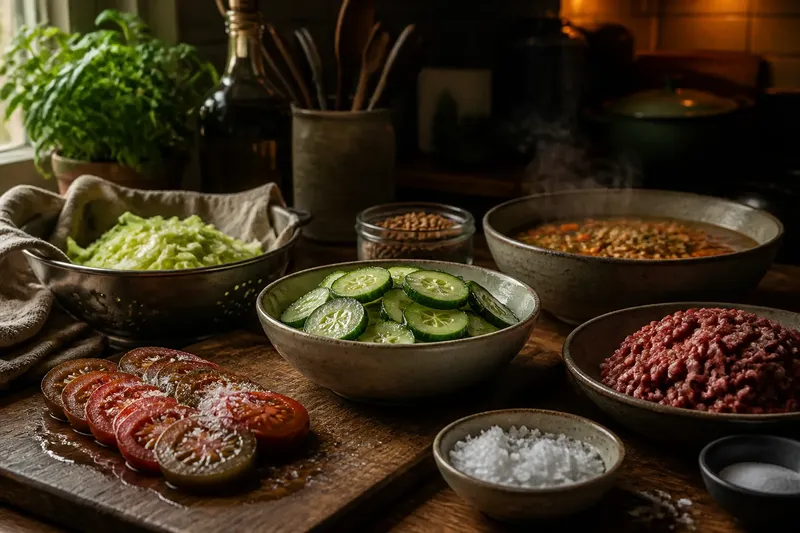
A bowl of lentil stew set in the middle of the table invites guests to serve themselves. Passing the dish, asking for the bread and making room for another serving turn hospitality into a small exchange rather than a finished service delivered to each seat.
This style suits meals where conversation and taking one’s time are part of the pleasure. A platter of roast vegetables, grilled fish or curry can be seen before anyone chooses a portion. The table becomes a place where people coordinate, notice what is available and make room for one another.
A shared dish works best when its contents are clear and serving utensils are within reach. If the food is unfamiliar, give a brief description so people can decide without having to ask in front of everyone. For varied appetites, keep extra portions in the kitchen rather than making the last serving a contest.
An individual plate communicates attention
When the host portions each plate, guests can settle in without reaching across the table or judging how much to take. This can feel considerate when a meal has several elements, such as pie beside greens or rice with sauce and vegetables.
Plating also lets the cook decide how the parts belong together. Dressing can be kept away from crisp salad, and sauce can be served beside an ingredient rather than over it. These choices make a plate easier to eat without requiring elaborate presentation.
That attention can become restrictive if a plate leaves no room for appetite or preference. A guest may want less sauce, more greens or no particular component. Plate the main element and offer sauces, herbs or extra sides separately: the host provides a clear starting point while leaving some decisions open.
Hospitality depends on the people and the occasion
Serving style should respond to the group and the meal, not to a fixed idea of what a good host does. A relaxed gathering where everyone knows the dishes may suit a shared platter. A meal with awkward-to-serve food, limited table space or guests who prefer not to announce their choices may be easier with plates prepared in the kitchen.
Consider the occasion’s pace as well. Passing dishes can encourage an unhurried exchange, while plated food lets guests sit down and begin together. If the host wants to spend more time at the table, serving everything individually may mean extra trips between kitchen and dining room; if diners need help with portions, that effort may be worthwhile.
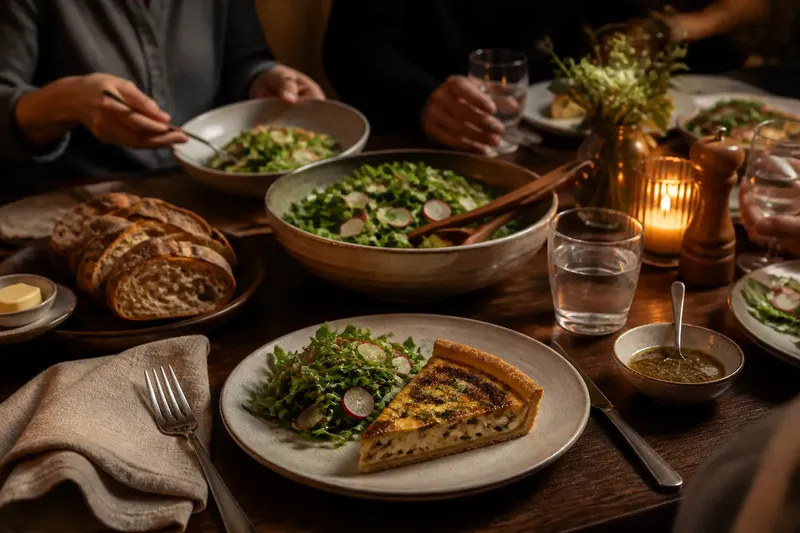
Say you are hosting friends for a meal with a large vegetable tart, a green salad and a bowl of dressing. You decide the tart is easier to portion in the kitchen, so you cut and plate it before guests sit down. You place the salad and dressing in the centre, with a serving spoon in the salad and a small spoon in the dressing. The result is clear: guests can choose their own salad portions and keep dressing separate, while nobody has to cut the tart at a crowded table.
Choice depends on more than the serving vessel
A communal platter may appear to offer freedom, but guests can still hesitate to take the last piece, ask what an ingredient is or avoid food that is difficult to serve neatly. A plated meal can remove those obstacles, yet leave little space to decline an ingredient without explanation.
Think about who is eating and what is being served. Self-service can work well when everyone can reach the dishes and understands what they contain. Individual plates may be kinder when food is messy, several items need careful arrangement or guests would rather make choices quietly.
Make decisions easier with a short description of each dish and a place for optional additions. A small bowl of chilli oil, grated cheese or herbs lets diners adjust their food without turning preferences into the main event.
The table’s movement shapes the meal
Communal service creates movement: dishes travel, serving spoons change hands and diners make room. That rhythm can make a meal feel lively, especially when passing food is familiar to the group. It can also interrupt conversation if a crowded table requires constant reaching or a heavy casserole has no safe place to land.
Plating in the kitchen gives the meal a steadier start. Guests sit down with food already in front of them, leaving more space for glasses, bread and conversation. The trade-off is that the host may spend more time away from the group, carrying plates out or returning for another course.
A mixed approach can preserve the useful parts of each style. Plate the main dish, then put salad, bread or fruit in the centre. Guests receive the element that is awkward to portion while still having something to pass. Decide which parts benefit from choice and which are easier to serve once.
How should you choose a serving style?
When should food go in the centre of the table?
Choose shared service when passing dishes suits the group and the food is easy to portion at the table. Put serving utensils beside each dish and place hot or heavy items where guests can reach them without leaning across one another.
When is it kinder to plate dinner in the kitchen?
Pre-portion food when doing so avoids awkward reaching, makes a composed meal easier to eat or helps guests who prefer not to announce their choices. Keep optional ingredients, such as chilli oil or grated cheese, on the table.
How can a shared meal suit different preferences?
Serve components separately where practical: keep sauces in small bowls, put bread on its own plate and leave herbs as a finishing option. Describe the dishes plainly so guests can decide without drawing attention to their preferences.
Can one dinner use both serving styles?
Yes. Plate the element that needs care or is difficult to serve, then share the sides that are easy to pass. Make the arrangement clear so guests know which dishes are for serving themselves and which are already portioned.
Match the serving gesture to your guests
No single serving style proves that a host is generous. Hospitality is easier to recognise when the arrangement matches the guests: room to reach, food they can identify, and a graceful way to take more or decline. A shared dish can say, “help yourself”; an individual plate can say, “I have made this ready for you”. Either message can be warm if the arrangement fits what diners need.
Before setting out dinner, decide where you want choice to sit. If choosing portions is part of the pleasure, make the dishes easy to reach and serve. If a composed plate will help people settle in, serve it yourself and leave a few additions available. For shared dish or individual plate, the useful question is which arrangement will let these particular guests eat comfortably and feel included.